

Introduction: The "Convergence Era" and Your Strategic Window
If you’ve spent the last year sitting on your hands, waiting for interest rates to settle or the dust to clear, the wait is over. The 2026, 2027 window is officially open. We have entered the Convergence Era, a period where federal money from the Infrastructure Investment and Jobs Act (IIJA), the explosive cooling needs of AI data centers, and a massive reshoring of the American supply chain have collided. This isn't just a "good market", it’s a record-breaking $173B manufacturing M&A surge.
For the founder who has spent decades with greasy hands, navigating crawlspaces, or managing shop-floor mechanics in the "Western Theater", California, Nevada, Arizona, Colorado, New Mexico, and Idaho, your blood and sweat equity has become a premium asset. Whether you run a high-volume HVAC shop, a precision machine facility, or an industrial distribution hub, the market is currently "re-rating" your business as the essential infrastructure of the next decade. But capturing that value requires a strategy led by an operator who has actually sat in your chair, not a "suit" who only knows how to read a spreadsheet.
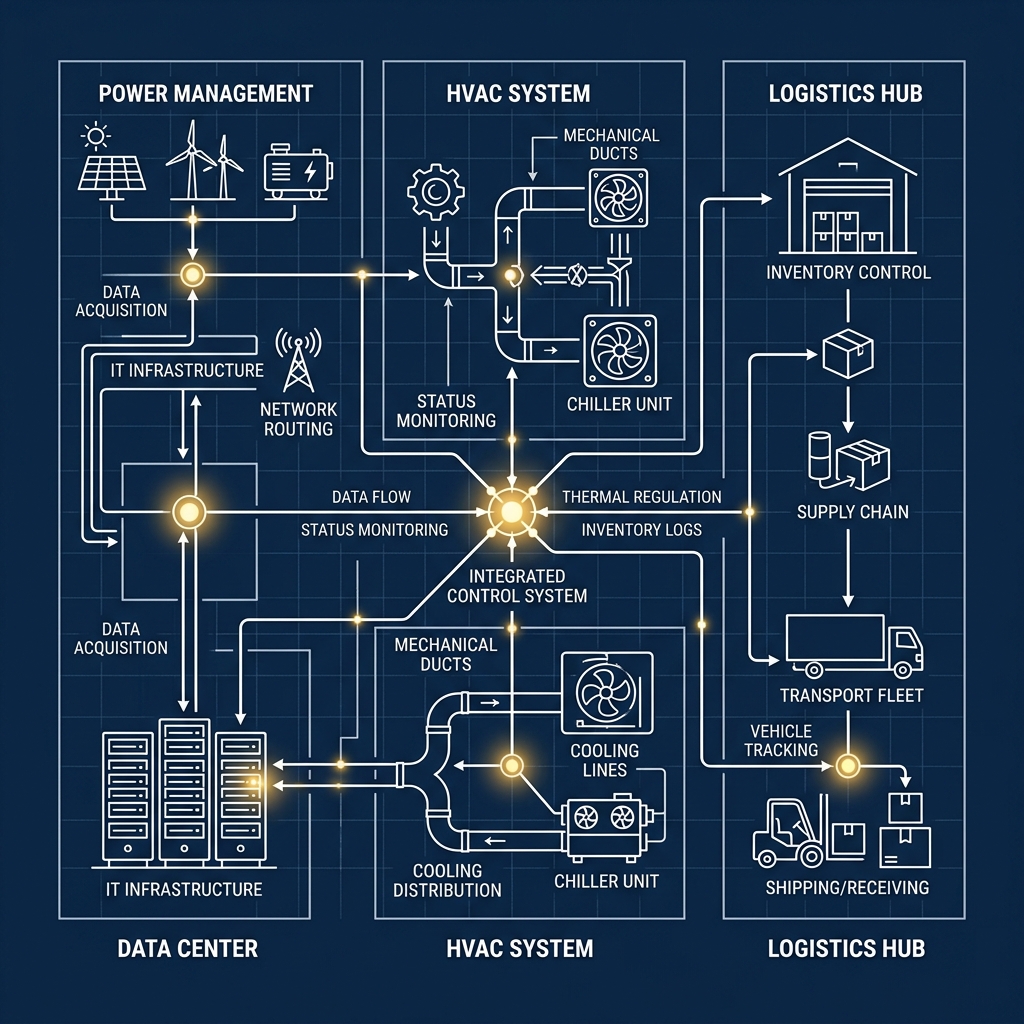
Figure 1: The Three Macroeconomic Drivers Converging into the $173B Western Regional Industrial M&A Surge.
The Operator-Broker Advantage: Why "Suits" Miss Your Real Value
Most brokers are generalists who have never had to worry about making a Friday payroll or managing a field service fleet. At Cortland Business Brokers, we utilize an Operator-Broker model. Our founder, Stan Cortland, personally built and exited the third-largest Xerox dealership in the nation. He didn't just "oversee" an office; he managed the mechanics, complex logistics, and large crews that keep a B2B enterprise running.
Traditional brokers look at your tax returns and see a liability; we look at your operation and see a moat. We bridge the gap between financial theory and the grit of the trade.
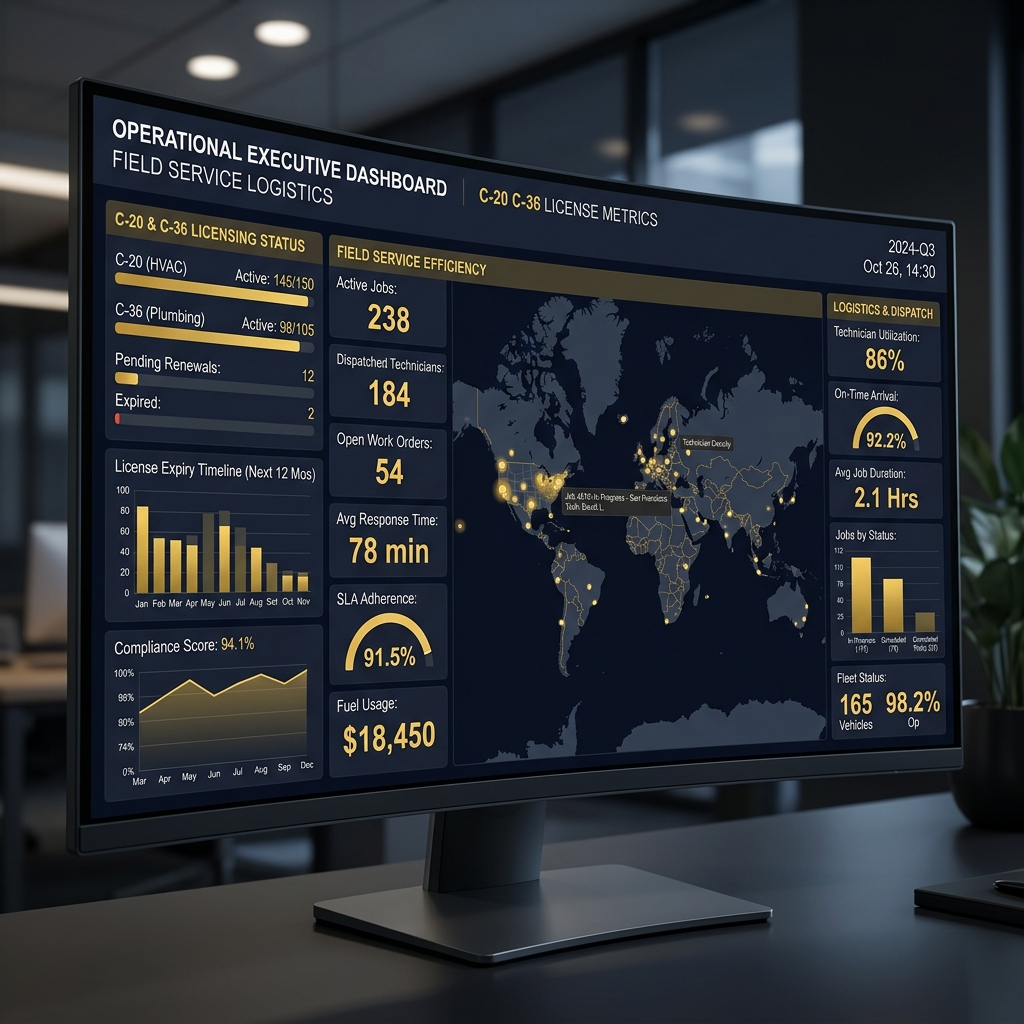
Figure 2: Cortland's Operator Dashboard: Quantifying Dispatch Efficiency, Service Annuities, and License Moats.
| Traditional Valuation Focus | Cortland’s Operator-Broker Focus |
|---|---|
| Basic EBITDA & Tax Returns | Service Contract Portfolios (Annuity Revenue) |
| Simple Asset Ledgers | Field Crew Stability & Licensing Moats (C-20, C-36) |
| Historical Cash Flow | Dispatch Efficiencies & RMO Transition Plans |
| Generalist P&L Statements | Proprietary Supply Chain & Manufacturing Capacity |
Technical Execution: Normalizing SDE and Navigating Valuations
To show an institutional buyer the real "meat on the bone," we perform exhaustive SDE Normalization. Most trade owners run personal expenses through the business, that’s smart for day-to-day operations, but it’s a killer during a sale if those numbers aren't "added back" to show the company's true earning power.
Bulleted "Add-Backs" to Reveal True Profit:
-
▪
Owner Compensation: Owner salaries, health insurance, and personal benefits.
-
▪
Vehicle & Fuel Expenses: Personal vehicles, travel, and fuel run through the company.
-
▪
Non-Recurring Capital Outlays: One-time repairs, non-recurring capital expenses, or shop upgrades.
-
▪
Discretionary Perks: Discretionary bonuses, memberships, and personal cell phones.
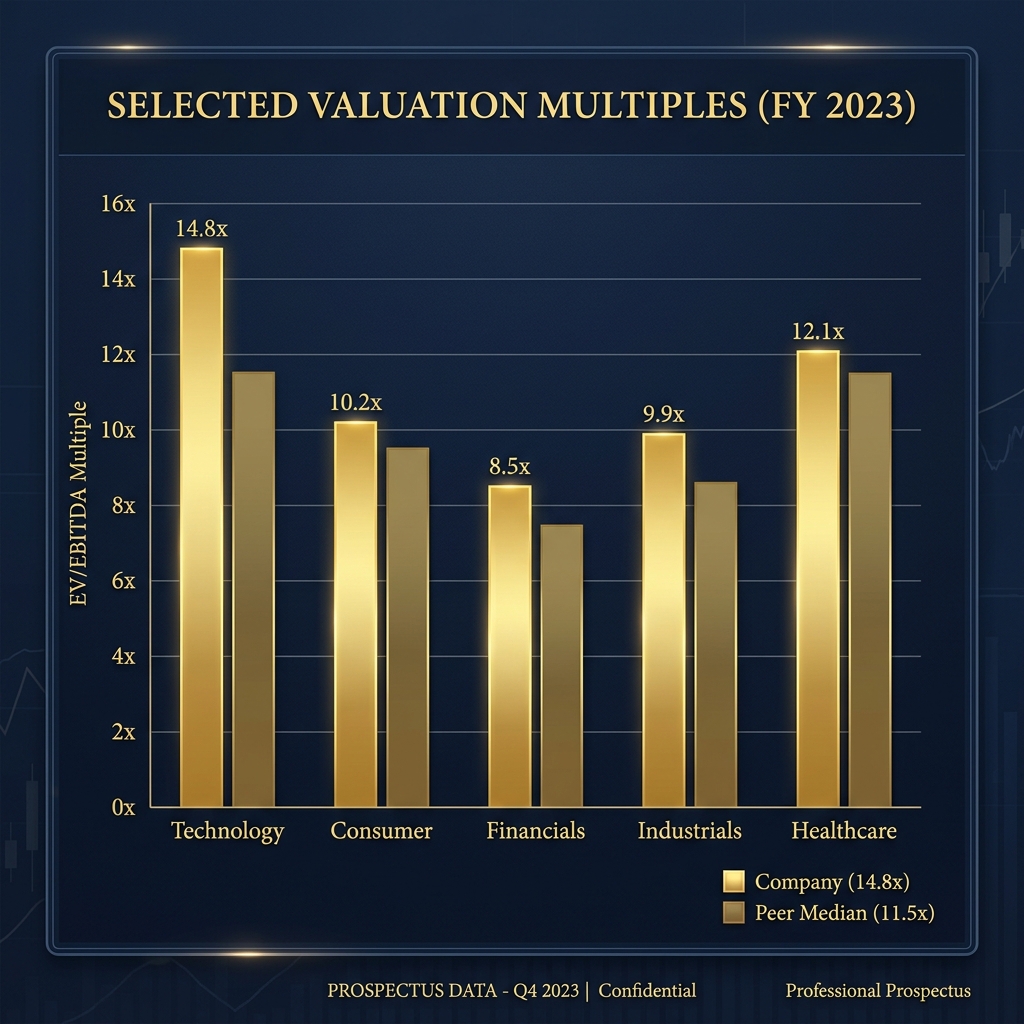
Figure 3: Current Valuation Multiples Tracking Across Western US Trade & Manufacturing Sectors.
| Key Sector Metric | Baseline Range | Strategic Growth Multiple |
|---|---|---|
| Contract Manufacturing | 10.0x | 14.5x , 17.0x EBITDA |
| Specialist Contractors (HVAC/MEP) | 4.5x | 6.0x , 9.0x EBITDA |
| Industrial Maintenance & B2B | 5.0x | 6.0x , 10.0x EBITDA |
The California State "Tax Trap" and Strategic Planning
warning THE TAX REALITY13.3% California Capital Gains RateWithout a 12, 36 month pre-exit de-risking runway, up to 37% of your retirement proceeds can vanish in combined state and federal taxes.
If you’re exiting in California, you’re staring down a 13.3% state capital gains rate. The state treats your exit as ordinary income, meaning between federal and state taxes, you could see 33% to 37% of your retirement proceeds vanish if you don't have a plan.
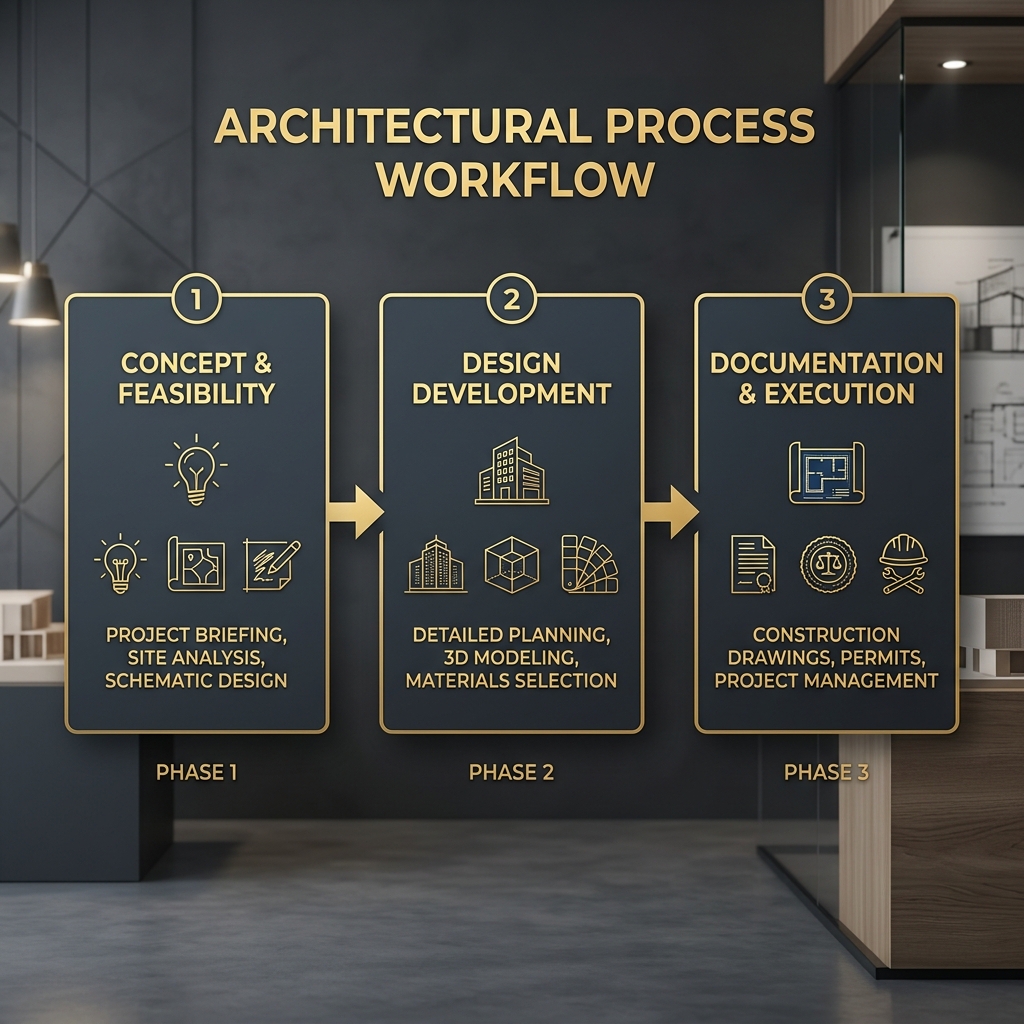
Figure 4: The 3-Step Turnkey De-Risking Process for Trade & Manufacturing Exits.
1-to-3-Year De-Risking Checklist:
-
▪
Cross-Train Your Crew: Prove that the shop runs perfectly even when you’re on vacation.
-
▪
The RMO Strategy: We specialize in Responsible Managing Officer (RMO) transition plans. By agreeing to stay on as the RMO for a set period, you allow a buyer who doesn't yet hold a C-20 or C-36 license to operate immediately. This is a massive "Deal Certainty" lever that opens your business to a much wider pool of high-paying institutional buyers.
-
▪
Expanded Sector Positioning: We don’t just market you as a "contractor." We identify your value within Industrial Product Manufacturing, Construction Material Manufacturing, and the Wholesale/Distribution networks that strategic buyers are desperate to acquire.
The Privacy Protocol: Protecting Your Legacy and Crew
The #1 fear for any founder is the crew finding out about a sale through the grapevine. If your competitors or employees hear whispers, your value can collapse overnight. We protect your brand with a strict security workflow:

Figure 5: Strict Gated Security: NDA Verification, Encrypted Data Rooms, and Proof of Funds.
-
▪
Blind Teasers: We market anonymized profiles that highlight your revenue and "moat" without revealing your name or exact location.
-
▪
Strict NDA Protocols: No identifying info is released without a binding confidentiality agreement.
-
▪
Encrypted Data Rooms: Your proprietary financials and customer lists stay in a secure, gated environment.
-
▪
Verified Proof of Funds: We vet every buyer’s bankroll before they ever see your books.
Western Regional Snapshot: High-Growth States
Our 6-state reach creates the "competitive tension" needed to drive up your sale price. We are seeing a massive demand surge in the "Sun Corridor" of Arizona and Utah, fueled by megaprojects like the TSMC fab in Phoenix. Strategic acquirers in these regions are looking for "tuck-in" acquisitions in California to secure their supply chains for Construction Material Wholesalers and Industrial Product Distributors.
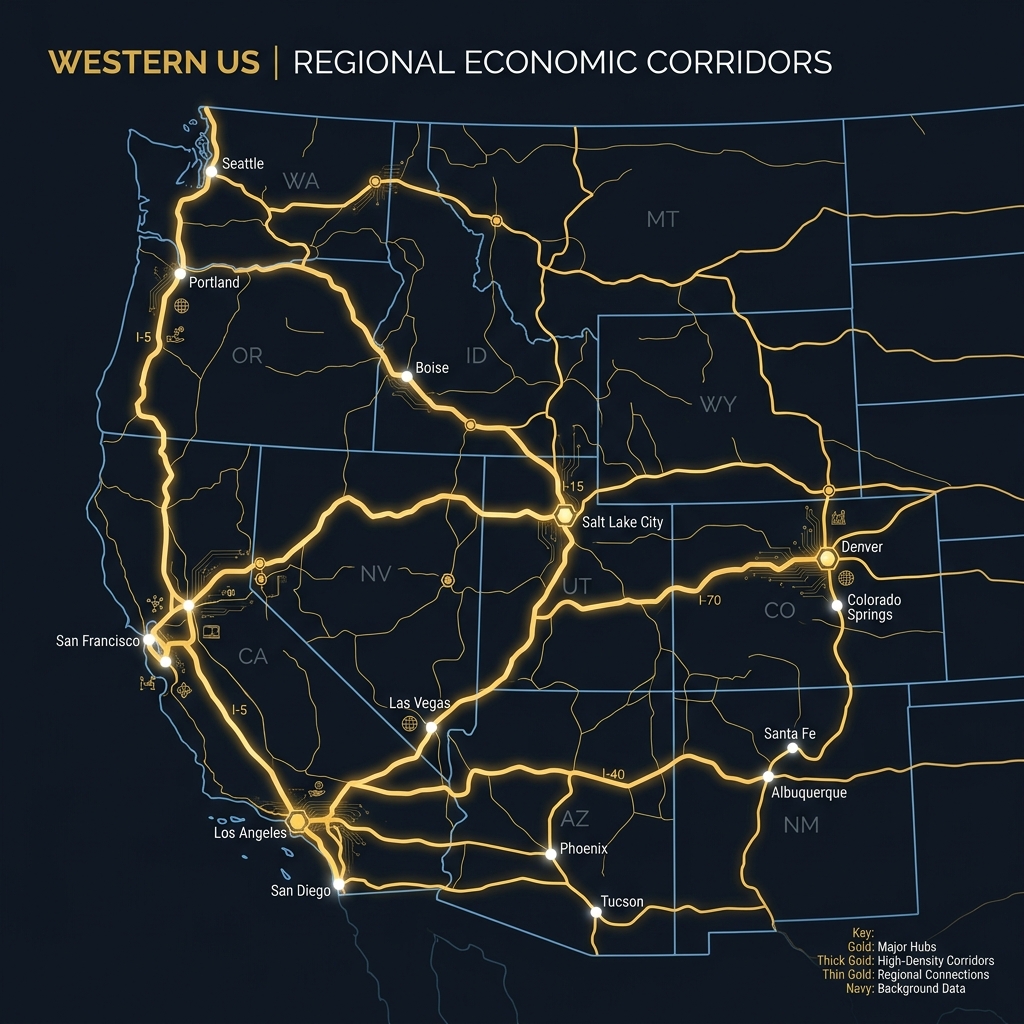
Figure 6: Active Buyer Corridors across California, Nevada, Arizona, Colorado, New Mexico, and Idaho.
Conclusion: Build Your Optionality
Building a business takes grit; selling it takes strategy. You’ve put in the years of blood and sweat, now is the time to start your transition from a position of strength, rather than waiting for burnout to force your hand. A professional valuation provides you with optionality: the freedom to choose your exit on your terms.
We invite you to a confidential, no-cost SDE valuation. Every initial inquiry is personally reviewed by Stan Cortland within 48 hours to ensure your operational reality is captured with precision.
Request Your Confidential SDE Valuation
Directly reviewed by Stan Cortland under full DRE compliance.