
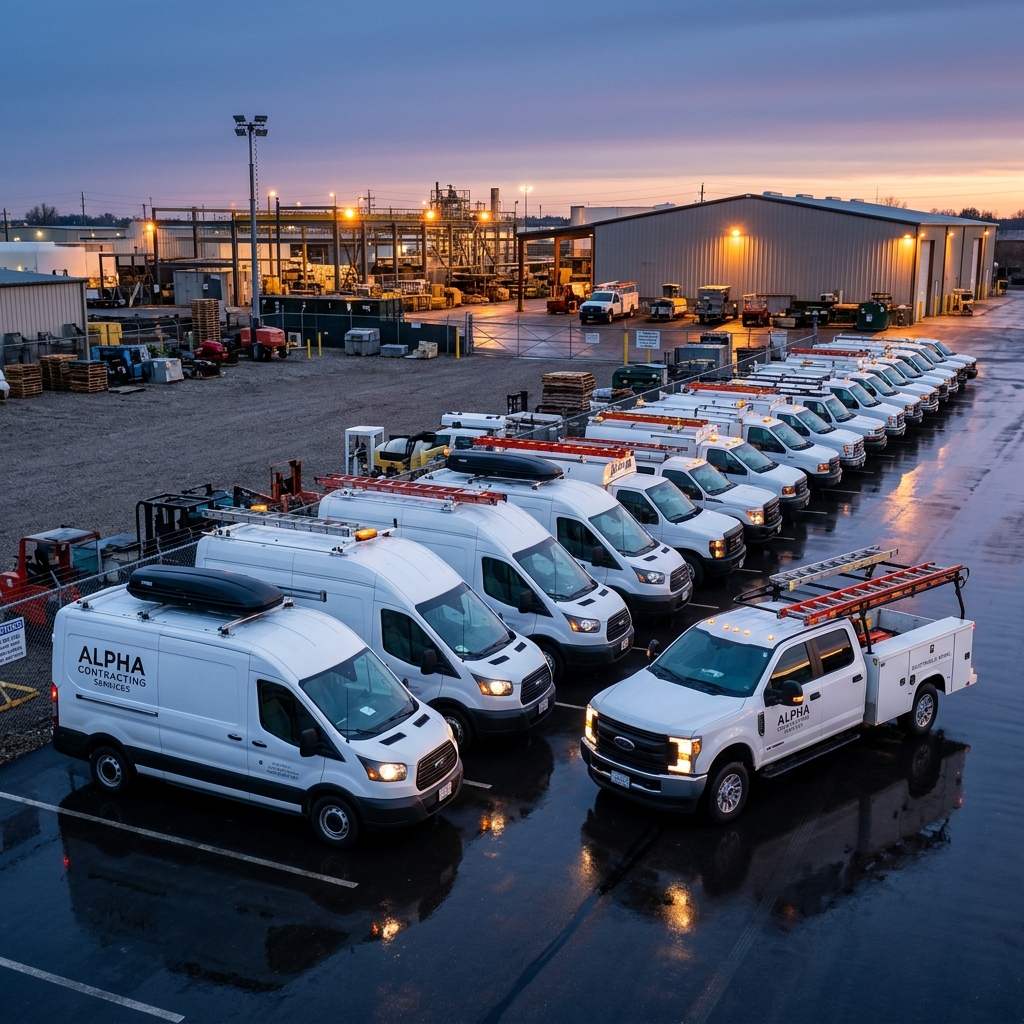
If you run a commercial plumbing shop, an HVAC outfit, a roofing company, or a precision manufacturing plant in California, October usually brings one priority: surviving peak season and sitting down with your CPA to keep your tax bill as close to zero as legally possible.
For twenty or thirty years, that playbook worked. You expensed the utility beds, ran the family vehicles through the company, and accelerated write-offs on heavy machinery.
“If an orderly transition is quietly on your radar for 2027, that exact habit is the single biggest obstacle to capturing what your company is actually worth.”
A successful exit in the lower middle market takes six to nine months of methodical execution. If you want cash in the bank and your tools put away by next summer, the work begins before you close out your 2026 books.
The 6-to-9 Month Runway: Why Spring Is Already Too Late
Most founder-operators think selling a business is like listing a commercial building: you call an intermediary, stick an asking price on the front door, and wait for offers.
Operational businesses do not sell on a flyer.
Getting an industrial or trade business across the finish line requires an orderly process:
Scrub Books & Audit SDE
Document add-backs before CPA files final 2026 tax return.
Launch Blind Marketing
Present verified TTM package to active regional consolidators.
LOI & Diligence
Navigate QofE, SBA 7(a) underwriting, and CSLB RMO bridge terms.
Funded Escrow Close
Wire funds, execute structured payout, transition field operations cleanly.
If you wait until February or March 2027 to start gathering paperwork, the due diligence phase will stretch straight through next summer and into the holiday freeze.
Starting in Q4 2026 lets you present a clean, verified trailing-twelve-month (TTM) financial package to the market right when buyers are actively deploying fresh acquisition budgets.
Scrubbing the Books: Tax Mitigation vs. Enterprise Value
When you run an operational company, your CPA’s job is to minimize taxable income.
A buyer’s underwriting team has the opposite goal: they look at your tax returns to see how low an earnings multiple they can justify.
If your 2026 P&L shows $350,000 in bottom-line taxable income because you loaded up on discretionary owner distributions, non-recurring equipment overhauls, and personal perks, an unvetted spreadsheet analysis will anchor your business to that number.
Valuation is pure negotiation, and price is just one lever.
The real earning power of your shop is reflected in your Seller’s Discretionary Earnings (SDE). Before your CPA closes the ledger for December 31, 2026, every dollar of operational cash flow needs clean documentation:
Personal fuel, non-operational insurance policies, personal phone plans, and family travel running through the business account.
Extraordinary tooling replacements, non-recurring facility repairs, or legal costs tied to one-off disputes that will not recur under new ownership.
Normalizing your own replacement cost versus actual net cash generation to reflect turnkey management economics.
The Multiplier Effect: 35 Cents in Taxes vs. \$6.00 to \$10.00+ in Enterprise Value
A dollar written off on your taxes might save you thirty-five cents today. When properly documented and defended as normalized SDE, that same dollar can command 6.0x to 10.0x+ in enterprise value at the closing table.
Immediate tax write-off benefit per dollar expensed.
Enterprise valuation gained per dollar defended as SDE.
Neutralizing California Deal Killers Ahead of Due Diligence
Transactions across Northern California rarely collapse because the buyer doesn't like the machinery. They collapse over state-specific regulatory hurdles and tax traps that were left unaddressed until due diligence:
The 13.3% Capital Gains Web
California treats capital gains as ordinary income, offering zero preferential breaks for long-term equity. Without structured installment timing under IRS § 453 or tailored transition terms mapped out 12 to 36 months ahead of time, more than a third of your gross proceeds can evaporate into state and federal taxes.
The CSLB RMO Licensing Bottleneck
Whether you hold a C-20 (HVAC), C-36 (Plumbing), C-39 (Roofing), C-10 (Electrical), or C-53 (Pool) license, out-of-state buyers and private equity platforms rarely carry an active California qualifier.
Agreeing to remain as the Responsible Managing Officer (RMO) for a defined, compensated 6-to-12-month bridge protects the continuity of operations, eliminates licensing friction, and secures an earn-out or equity structure premium.
Labor Compliance & Commercial Fleet Mandates
State laws like PAGA (under AB 2288 and SB 92 reforms) and California's SB 294 “Stay-or-Pay” restrictions make labor practices an immediate target in corporate due diligence.
Similarly, CARB TRUCRS reporting for your service fleet needs clear documentation so buyers aren't surprised by pending zero-emission capital requirements. Auditing your crew timecards, payroll records, and fleet filings in Q4 ensures institutional acquirers find zero balance-sheet liabilities to discount.
What Regional Buyers Are Actually Underwriting
Traditional corporate intermediaries see a balance sheet; an operator sees the engine that generates the numbers.
Having built, scaled, and exited businesses—including the nation’s 3rd largest Xerox dealership—I look at your company the way an acquirer does.
Regional consolidators and well-capitalized buyers across our Western network (spanning California, Nevada, Arizona, Colorado, New Mexico, and Idaho) are actively searching for three things in California trade businesses right now:
| What Corporate Buyers Ask For | Where Your Real Enterprise Value Lives |
|---|---|
| Gross Revenue Scale | Recurring Revenue Quality: Sticky commercial maintenance contracts and high-retention service agreements that generate predictable cash flow. |
| Asset Depreciation Lists | Fleet & Dispatch Efficiency: Optimized territory routing, modern dispatch technology, and well-maintained utility trucks ready for turnkey operations. |
| Payroll Headcount | Crew Autonomy: A veteran, non-union field crew that shows up every morning without the founder having to dispatch every wrench. |
Proven Deal Execution in California Trades
Over the past two yearsOver the past two years alone, Cortland Business Brokers has successfully guided eight California trade acquisitions across the finish line—including:
In a market where roughly 70% of lower-middle-market listings quietly fall apart, those deals closed because the operations and the numbers were verified, defensible, and structured to protect both the legacy and the crew.
Planning an Exit Starts Off the Record
You didn't build your business by reading textbooks. You built it by managing crews, making payroll, and earning a reputation one job at a time.
Planning an exit does not mean planting a sign on your shop or announcing anything to your employees. It starts with an honest, confidential look at what your true operational cash flow looks like in the current market.
The Cortland Shared Risk Model
100% Success-Fee Based
We only get paid when your transaction successfully closes at escrow.
$0 Upfront Retainers
We absorb all initial marketing, collateral preparation, and underwriting costs.
$0 Monthly Admin Fees
Zero hidden administrative fees or recurring retainers, guaranteed.
We operate on a 100% success-fee basis. We do not charge upfront retainers, marketing fees, or administrative retainers. If we do not bring an institutional buyer who meets your terms and successfully close the transaction, you don't owe us a dime.
If you are quietly considering stepping away in 2027, let’s review your numbers before 2026 comes to a close.
Request a No-Cost, Confidential SDE Valuation personally conducted by Stan Cortland within 48 hours.
No pressure, no sales scripts, and completely off the record.
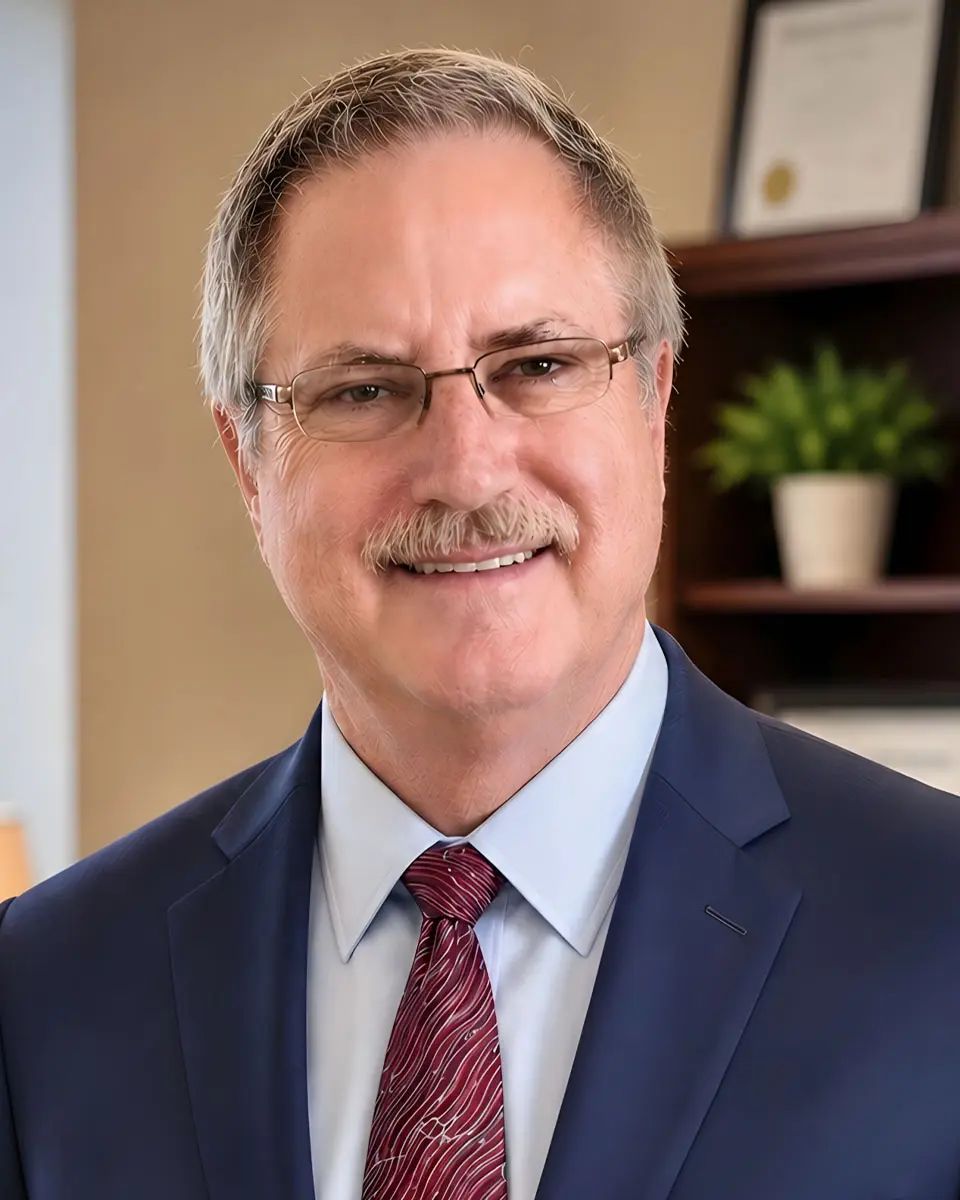
Stan Cortland, Responsible Broker
CA DRE License #02079242 | Managing Broker, Cortland Business Brokers
Stan built, scaled, and exited the nation's 3rd largest Xerox dealership before founding Cortland Business Brokers. Today, he leads lower-middle-market trade and industrial M&A advisory across California and the Western US, combining shop-floor operational empathy with institutional transaction rigor.
Ready to Bridge Your 2027 Exit in Q4 2026?
Request a no-cost, 100% confidential SDE valuation and strategic exit consultation personally conducted by Stan Cortland within 48 hours.